Sabina Fay Braxton
Sabina Fay Braxton’s Atelier was founded in Paris in the 1990s and is now based in Chiang Mai, returning to the region where Sabina’s early immersion in Asian craft traditions continues to inform the studio’s ethos.
The work emerges from living relationships shaped in early childhood through immersion among craftspeople in Indonesia, Japan, India, and Thailand. It is grounded in connection: to land, to material, to deeply rooted traditions, and to inherited knowledge that continues to evolve across generations.
While traditional craft is often described as fragile or fading, Sabina experiences it as a language that remains profoundly alive and inclusive. When engaged with relevance to the present, tradition does not require rescue—it renews itself. Keeping the dialogue going remains the central pillar of the practice.
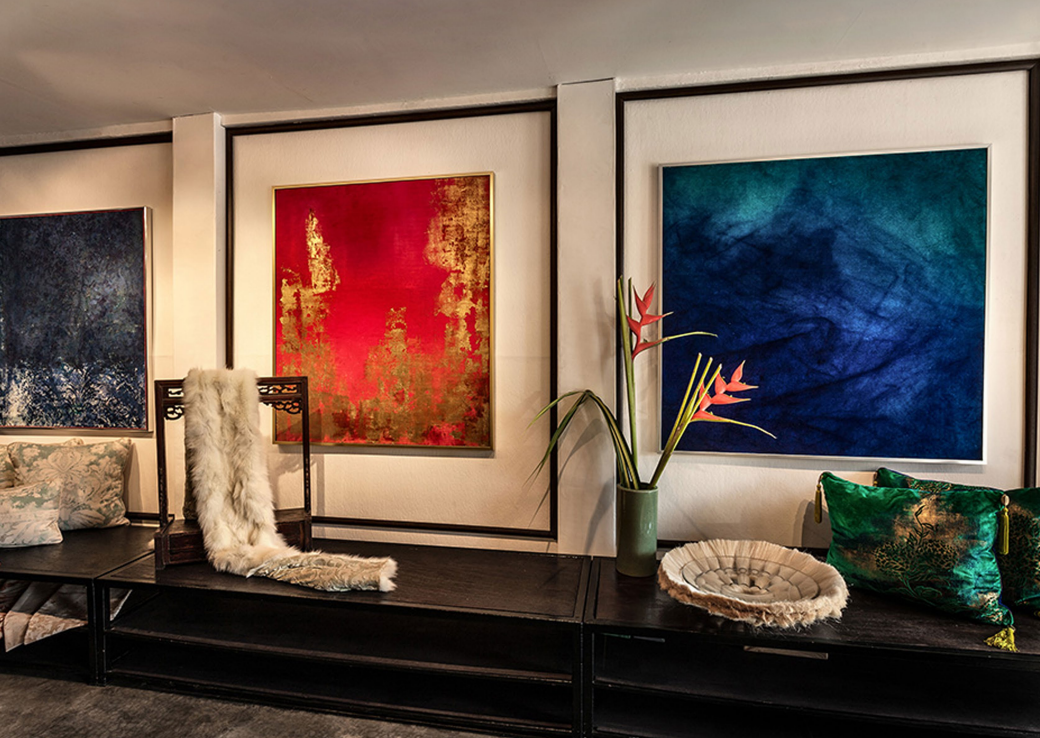
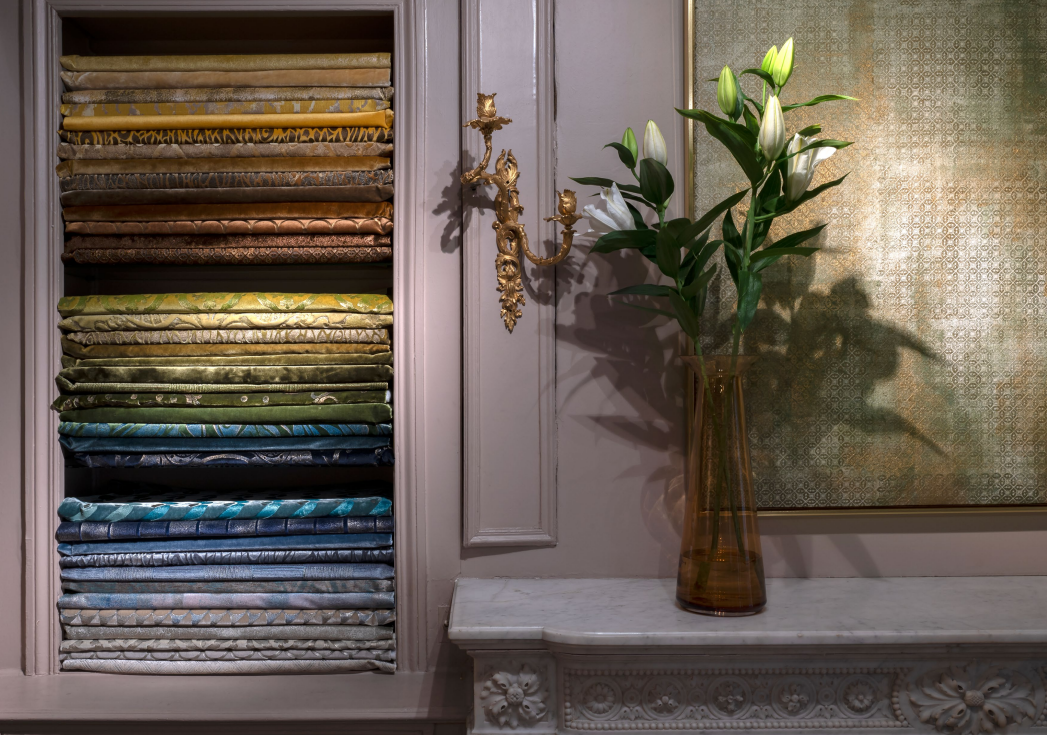
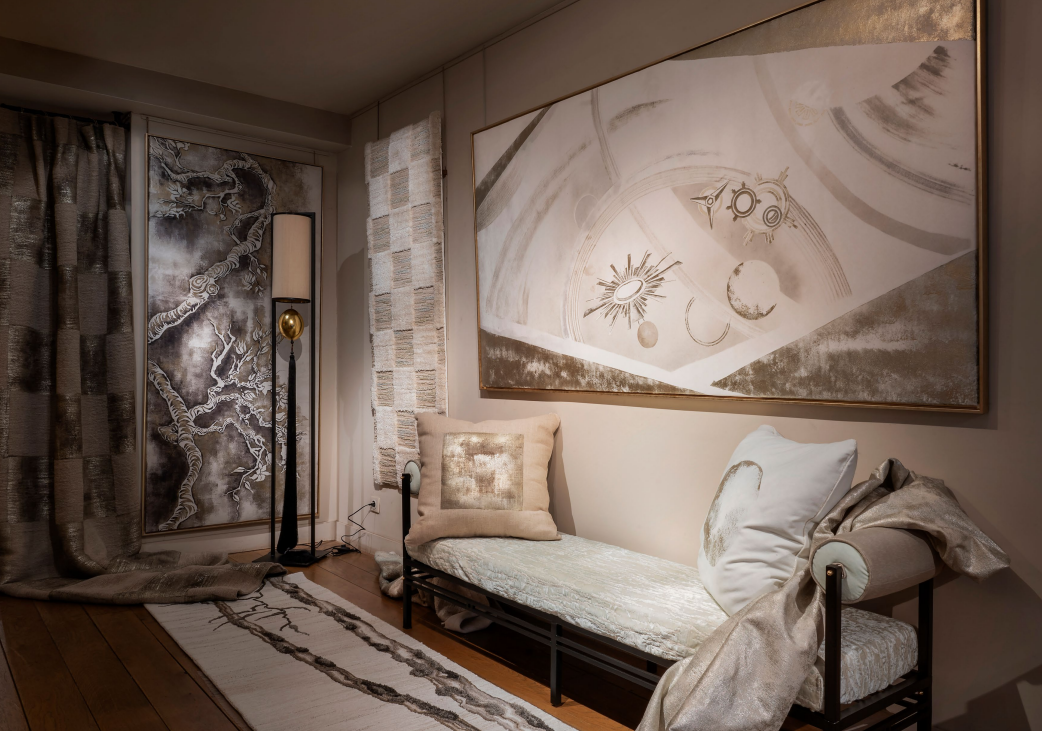
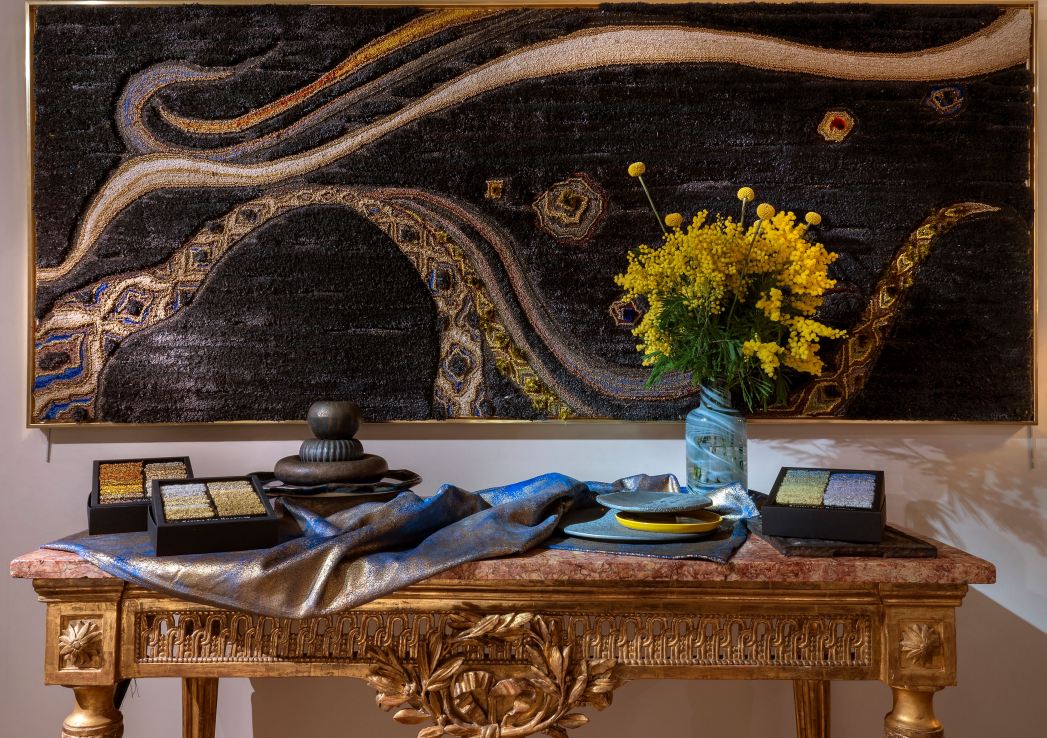
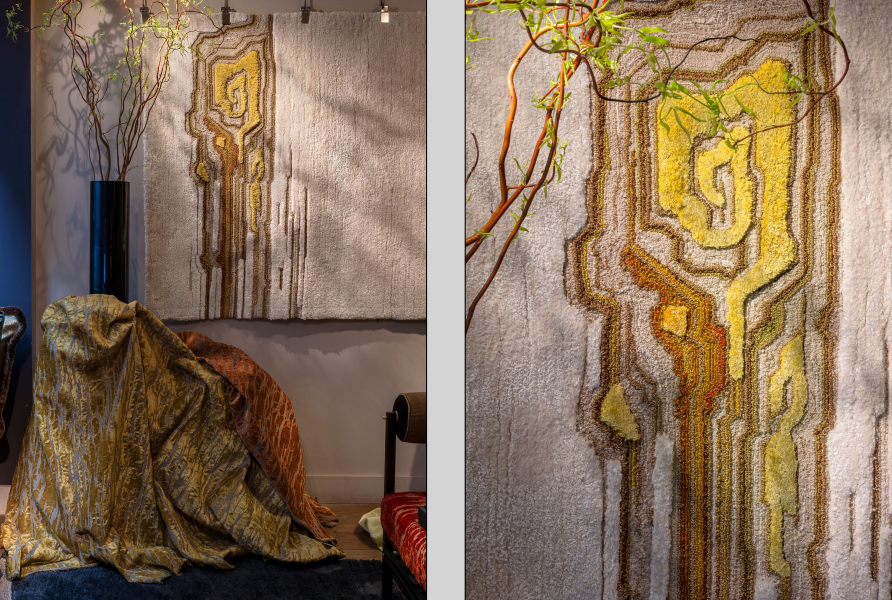
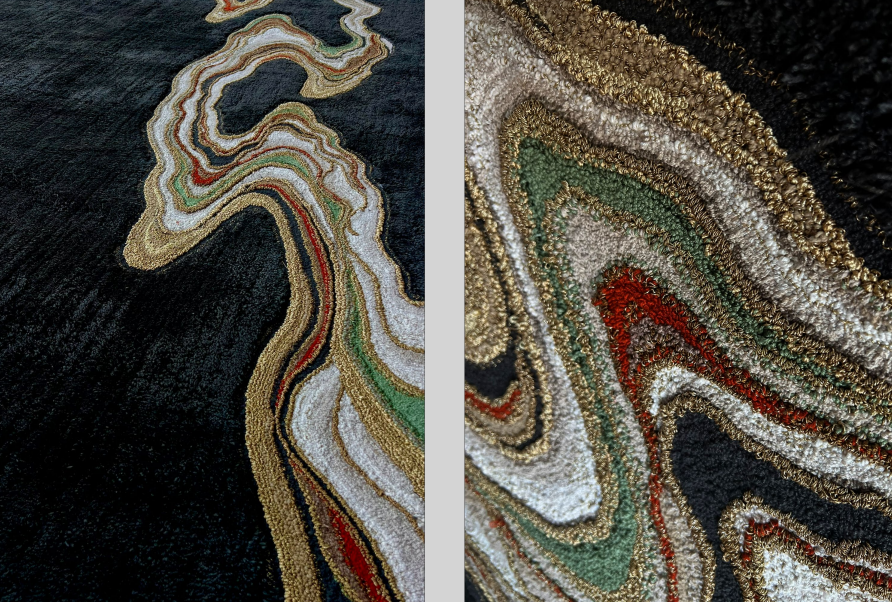
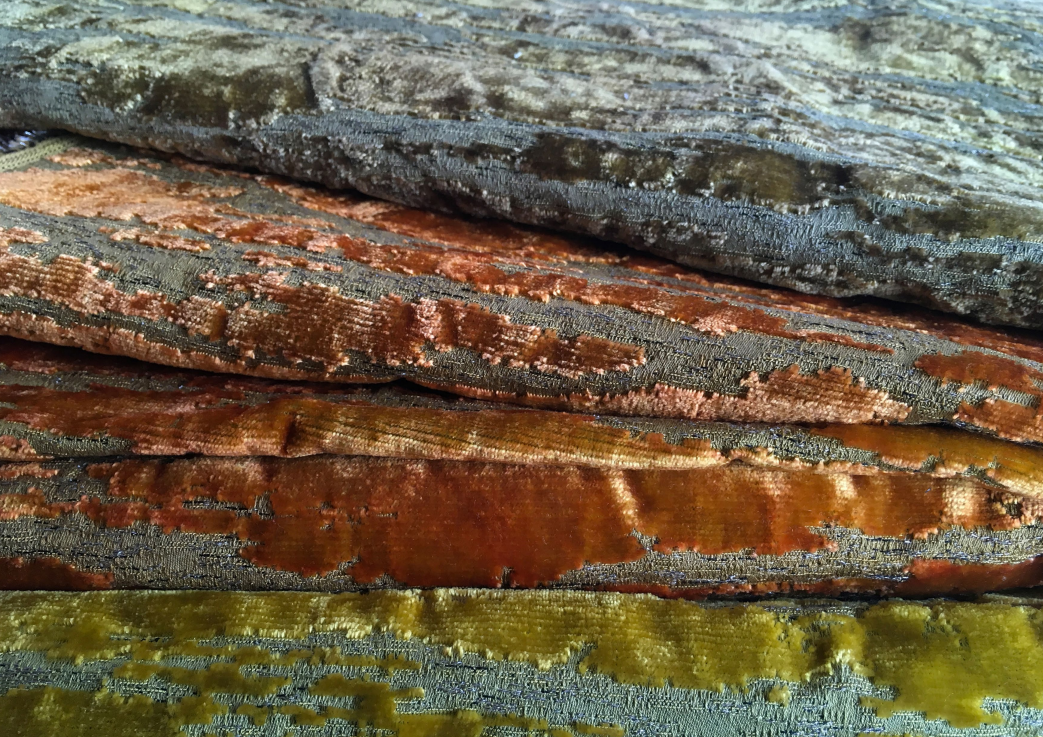
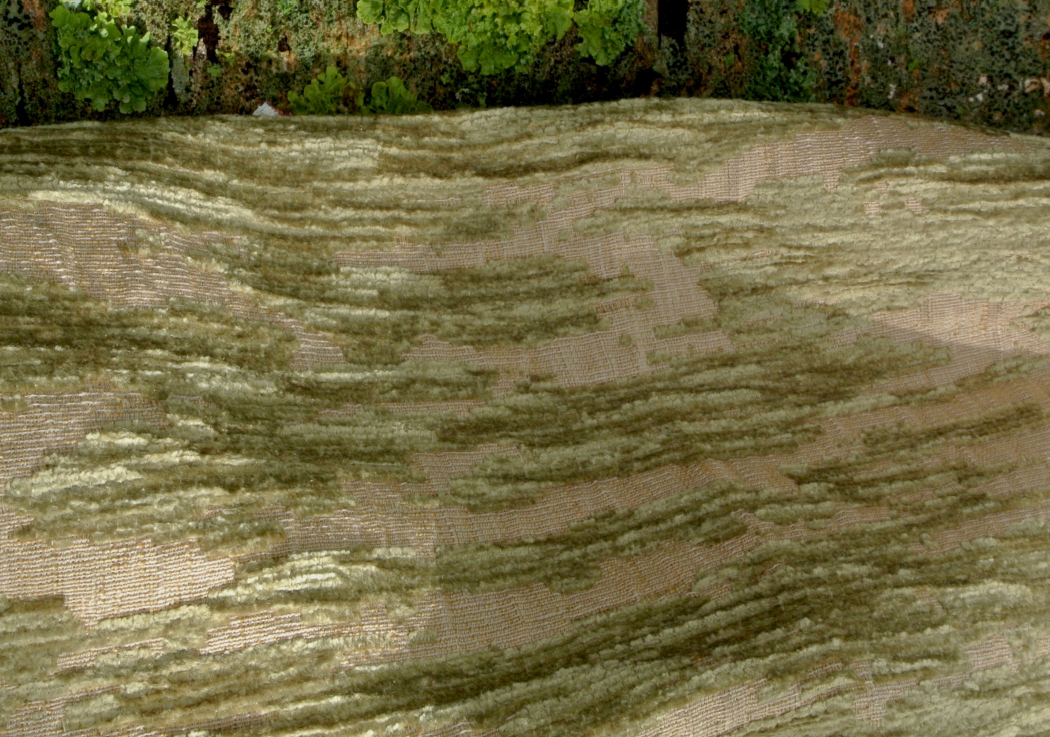
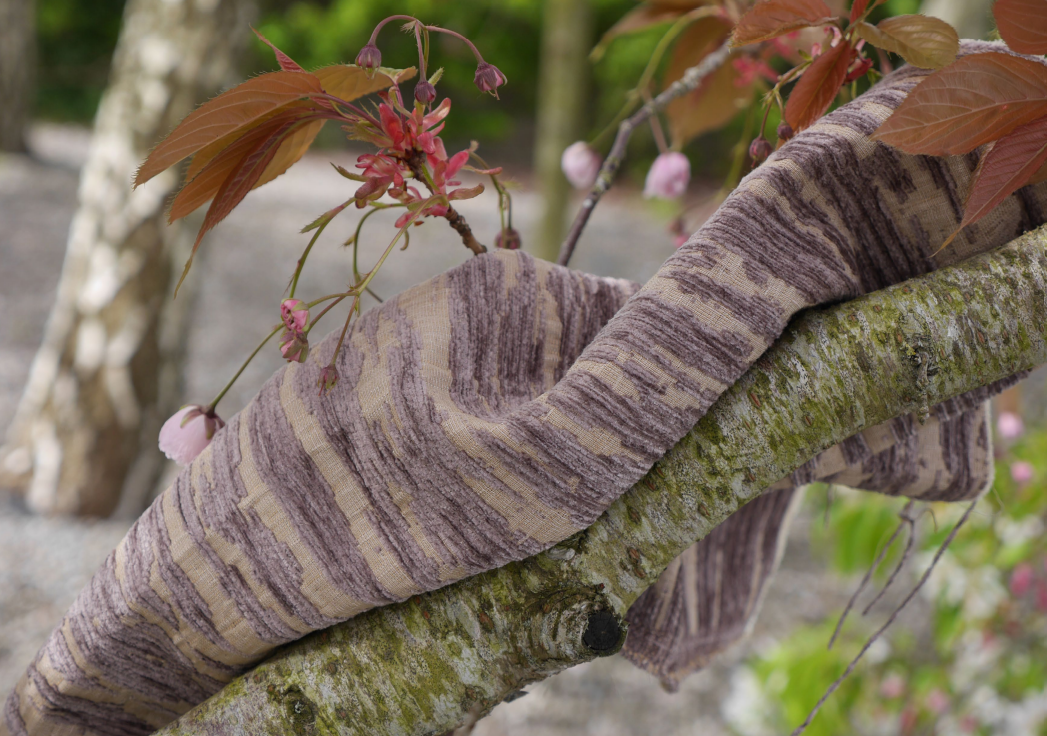
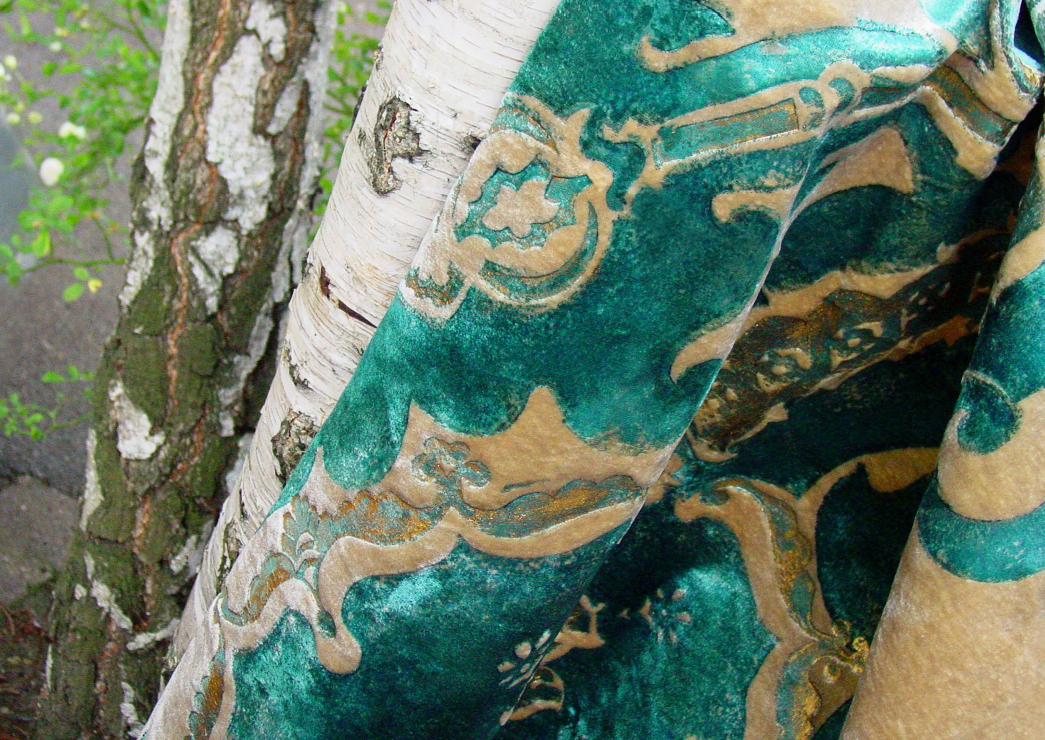
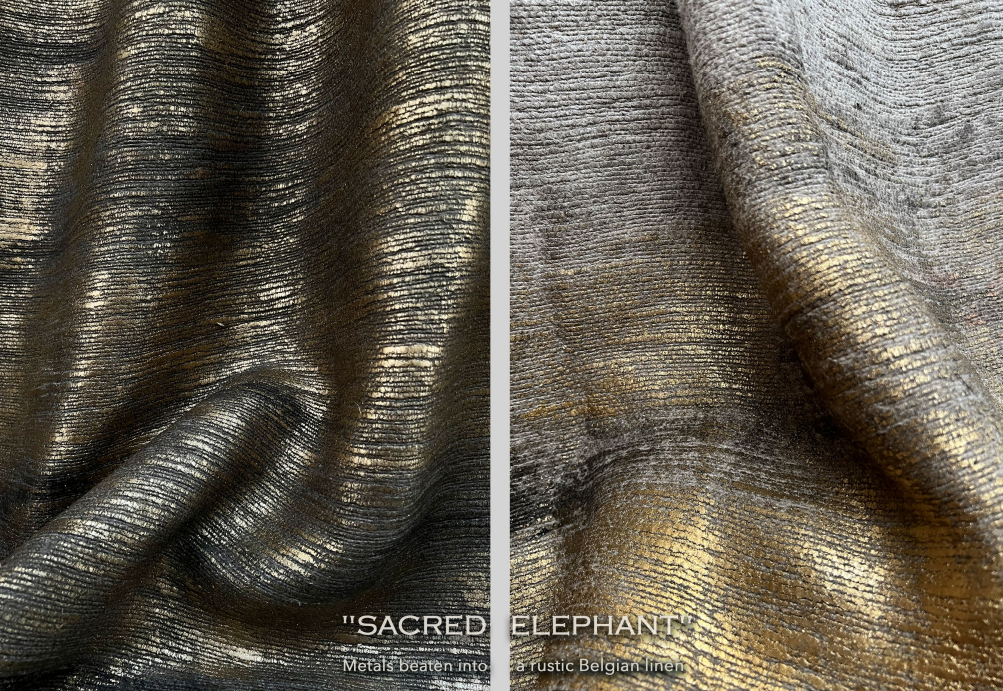
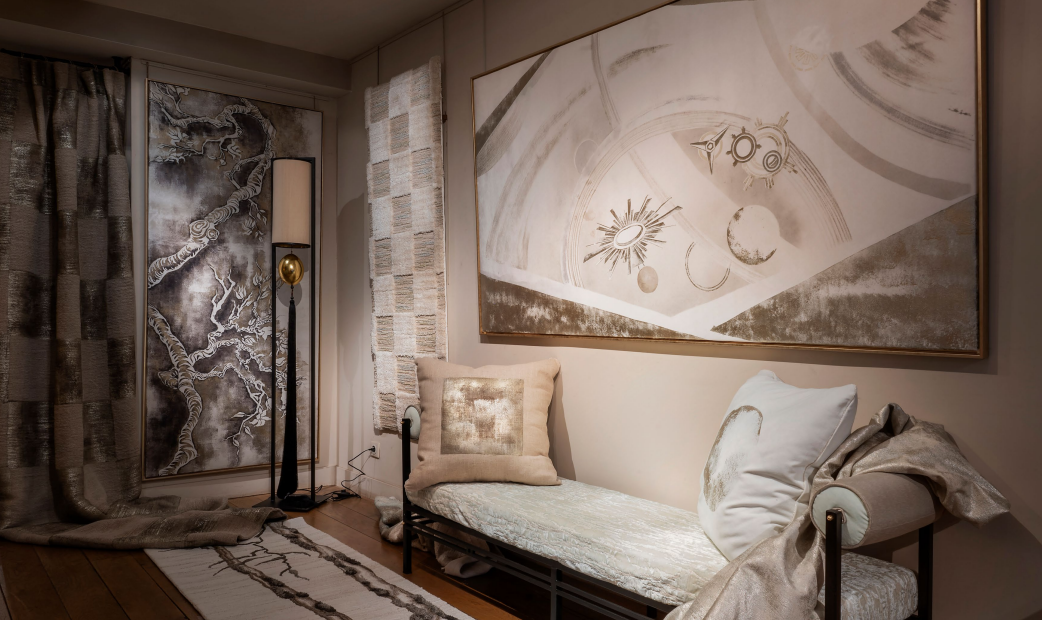
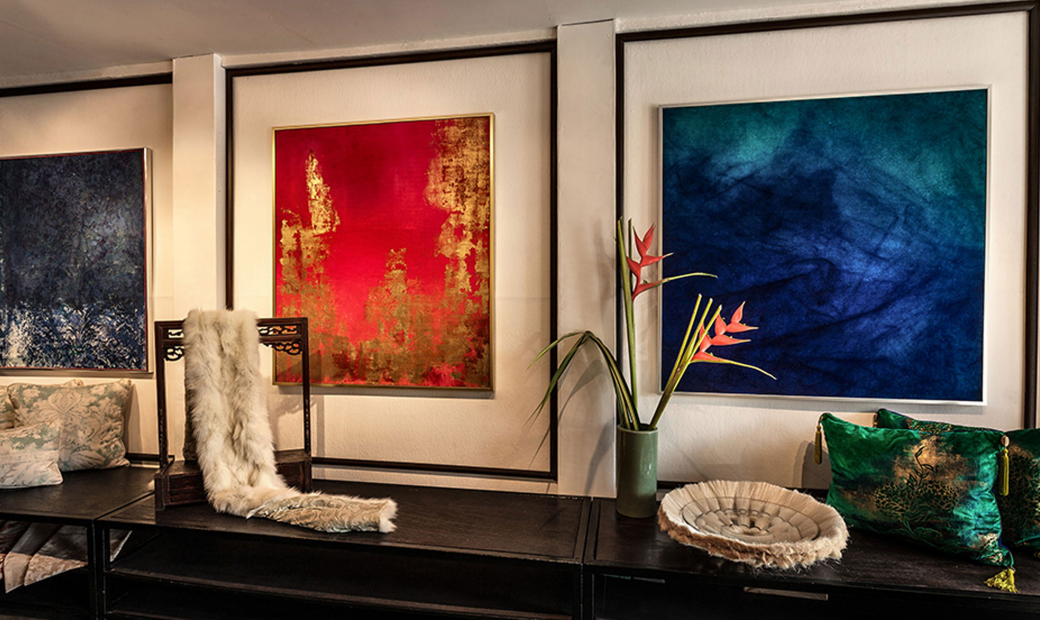
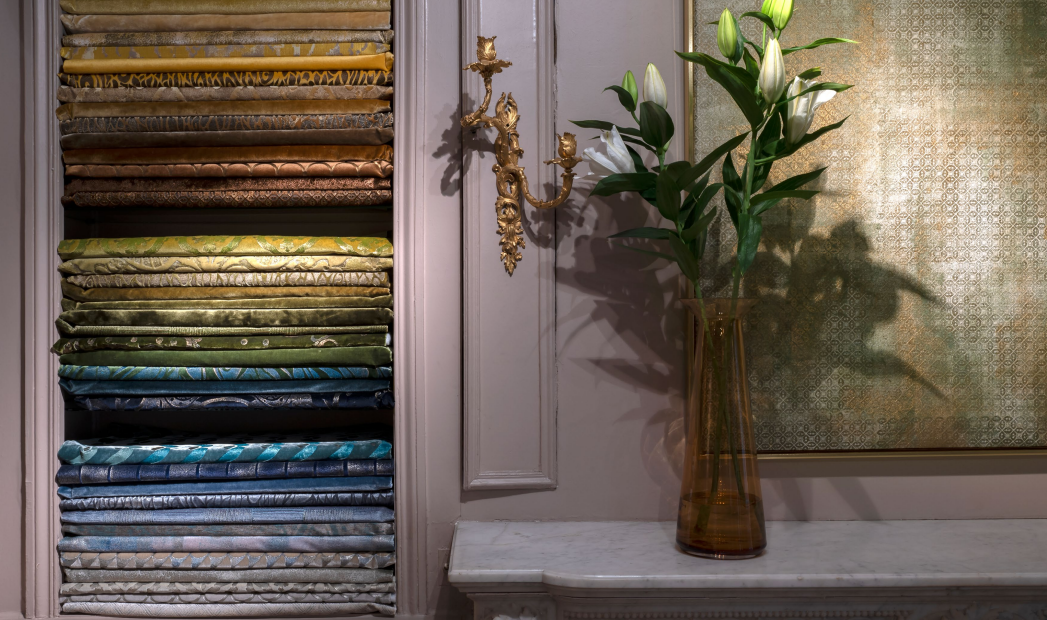
The Atelier operates between architecture and high craft, producing one-of-a-kind carpets, textile artworks, architectural soft furnishings, and limited collections developed in close collaboration with master artisans and refined under Sabina Fay Braxton’s direction.
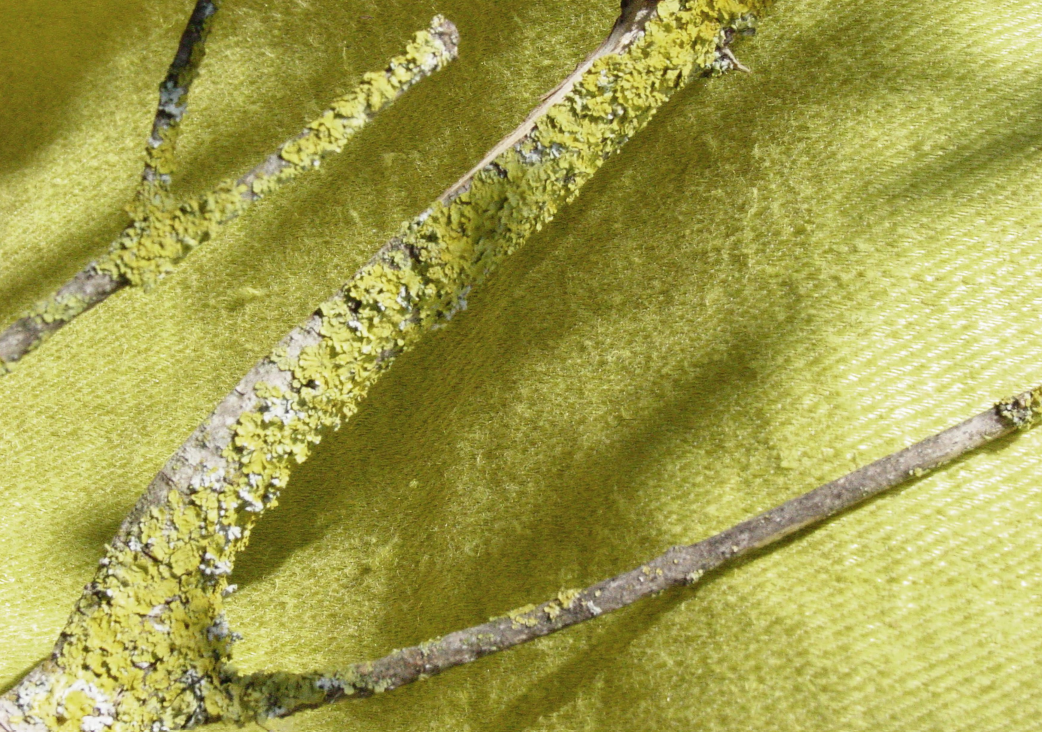
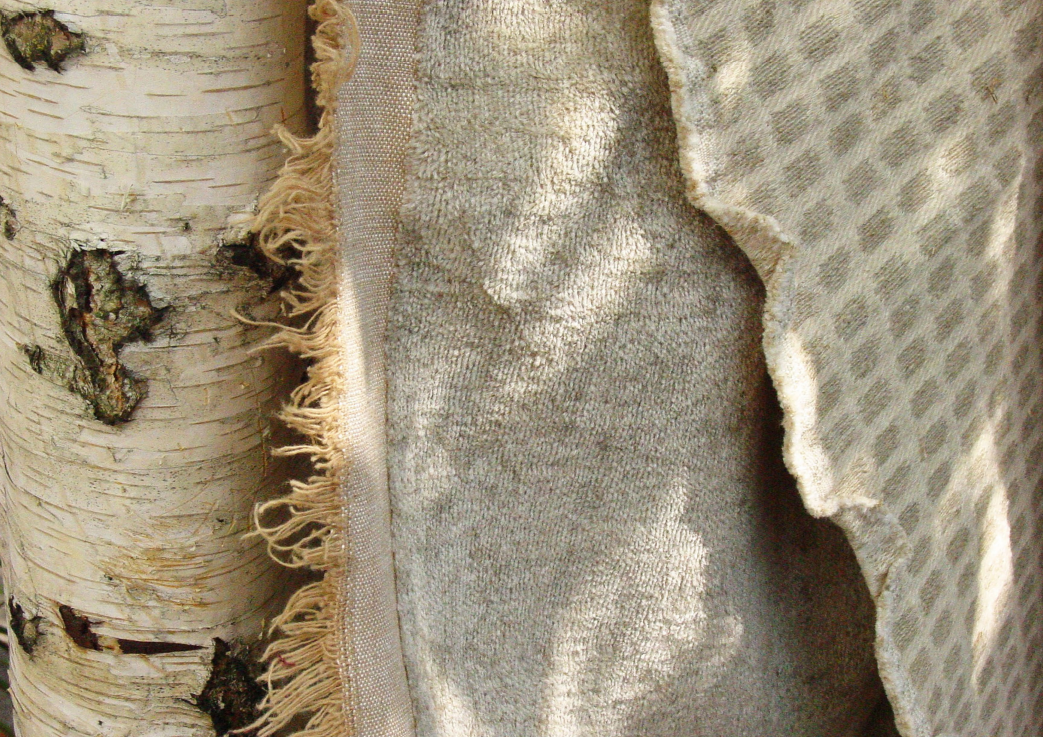
Materials are approached as native elements rather than embellishment. Each piece emerges through sustained dialogue between design intention, client vision, and craft execution.
The studio’s work has appeared in private palaces, landmark residences, couture salons, superyachts, heritage properties, and boutique hotels. Early collaborations with haute couturiers including Lacroix, Valentino, and Ungaro catalysed Sabina’s expanded creative trajectory.
The work has also been commissioned for major film productions including Game of Thrones, Star Wars, and Harry Potter, where material authenticity and atmospheric depth were essential.
From this foundation, the practice evolved into a multidisciplinary body of work spanning textile, object, and space. Today, the Atelier works with discerning collectors, interior designers, architects, cultural patrons, and creative directors seeking depth, authorship, and material intelligence rather than trend-driven luxury.
The studio prioritises longevity over volume and integrity of approach over scale, continuing a dialogue between past, present, and a possible future—between material and maker, and between cultural memory and contemporary life.
Image Gallery